.svg)
.png)
MuM’Orsay
On October 6, the Art Explora Foundation and the Musée d’Orsay will inaugurate the MuM’Orsay, the Foundation’s fourth traveling cultural truck, developed in partnership with the Auvergne-Rhône-Alpes Region.
Following the MuMo x Centre Pompidou, the MuMo Collections, and the CinéMo, the MuM’Orsay joins the fleet of mobile museums founded by Ingrid Brochard. At each stop, it offers a free exhibition, guided tours, and hands-on art workshops, bringing the arts directly to local residents.
For its inaugural tour, the MuM’Orsay will travel throughout the Auvergne-Rhône-Alpes region, in collaboration with local governments, cultural organizations, and community groups.
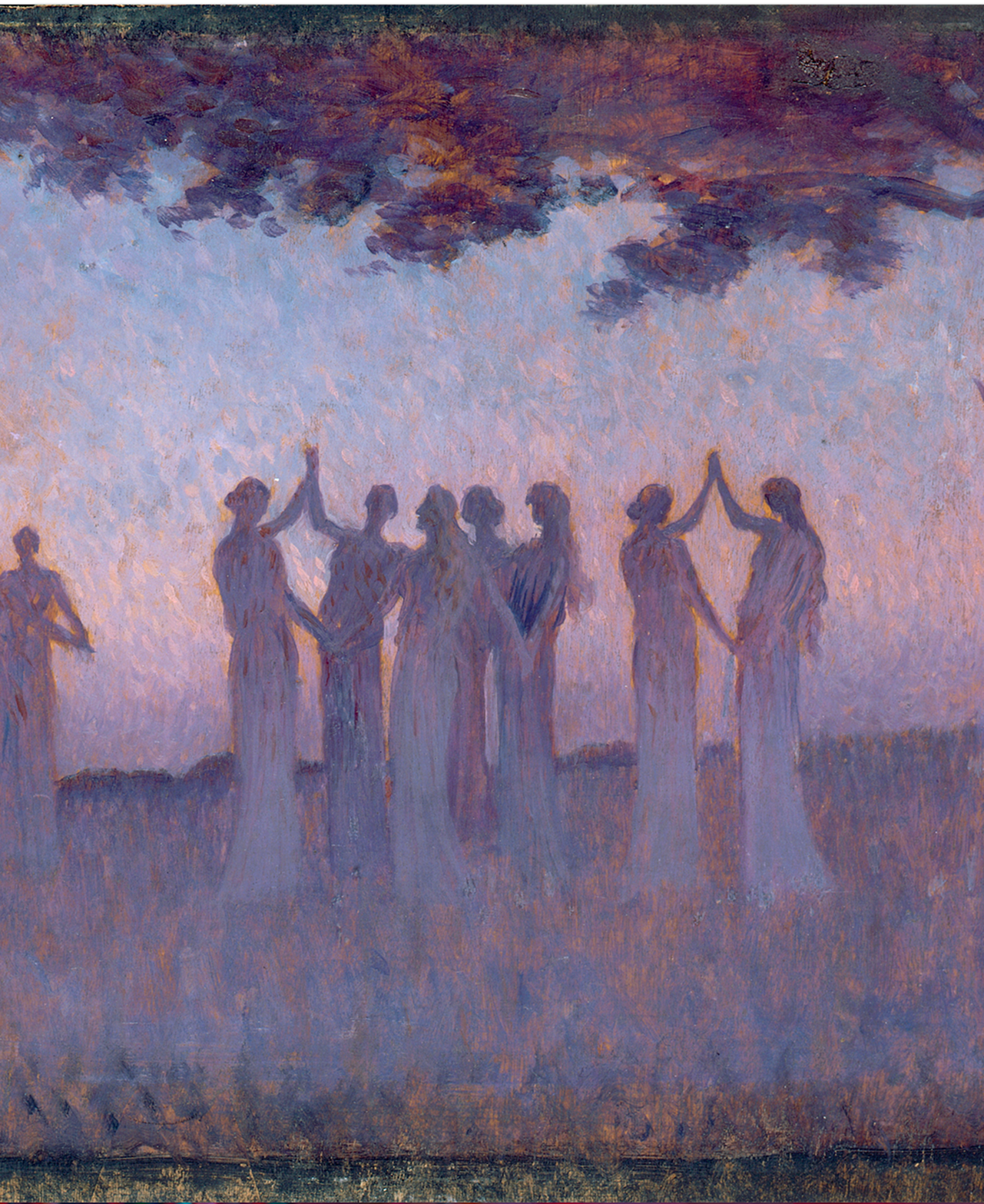
2/ Alphonse Osbert, Music and Dance, circa 1900
"Le Grand Bal" Exhibition in Auvergne-Rhône-Alpes
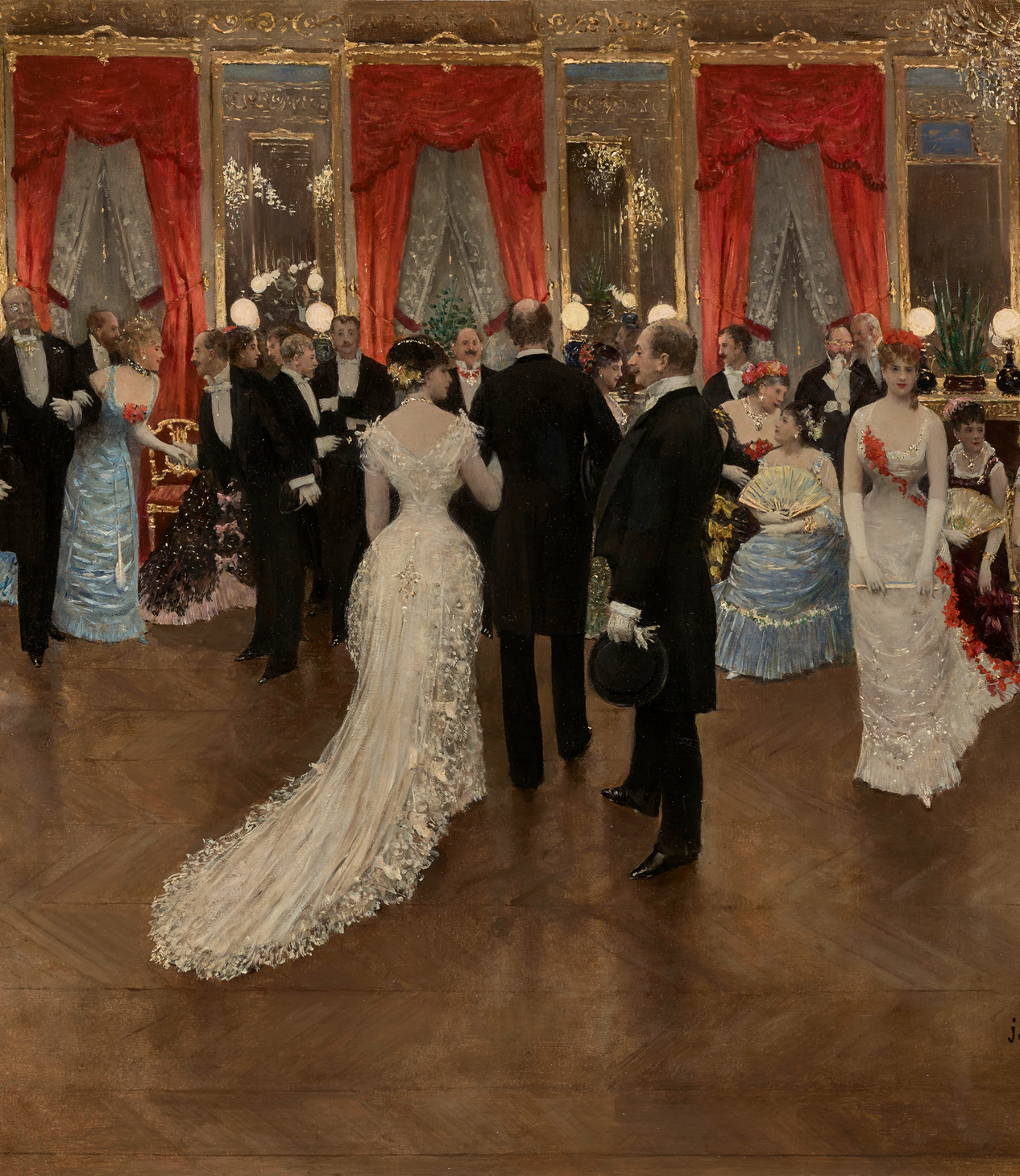
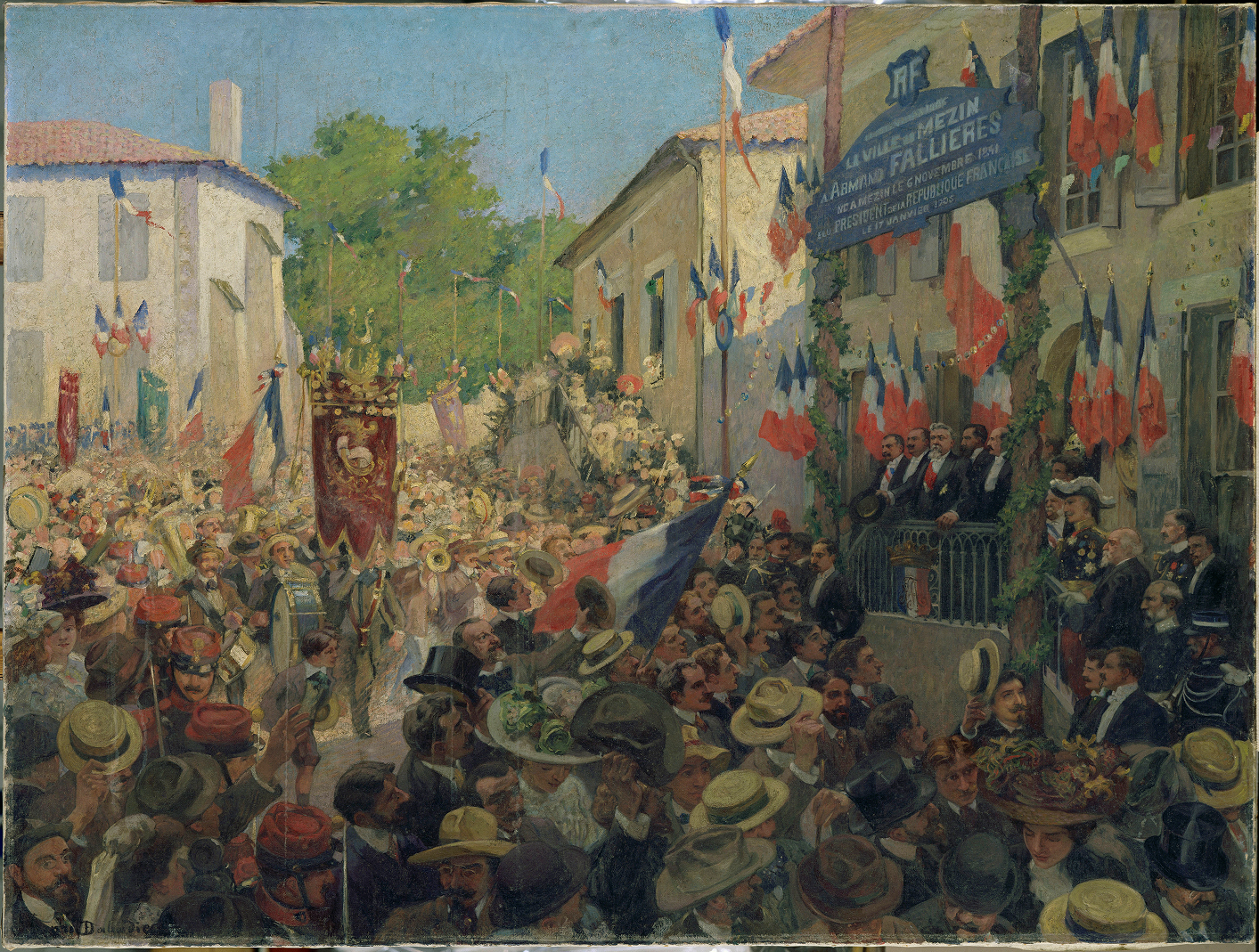
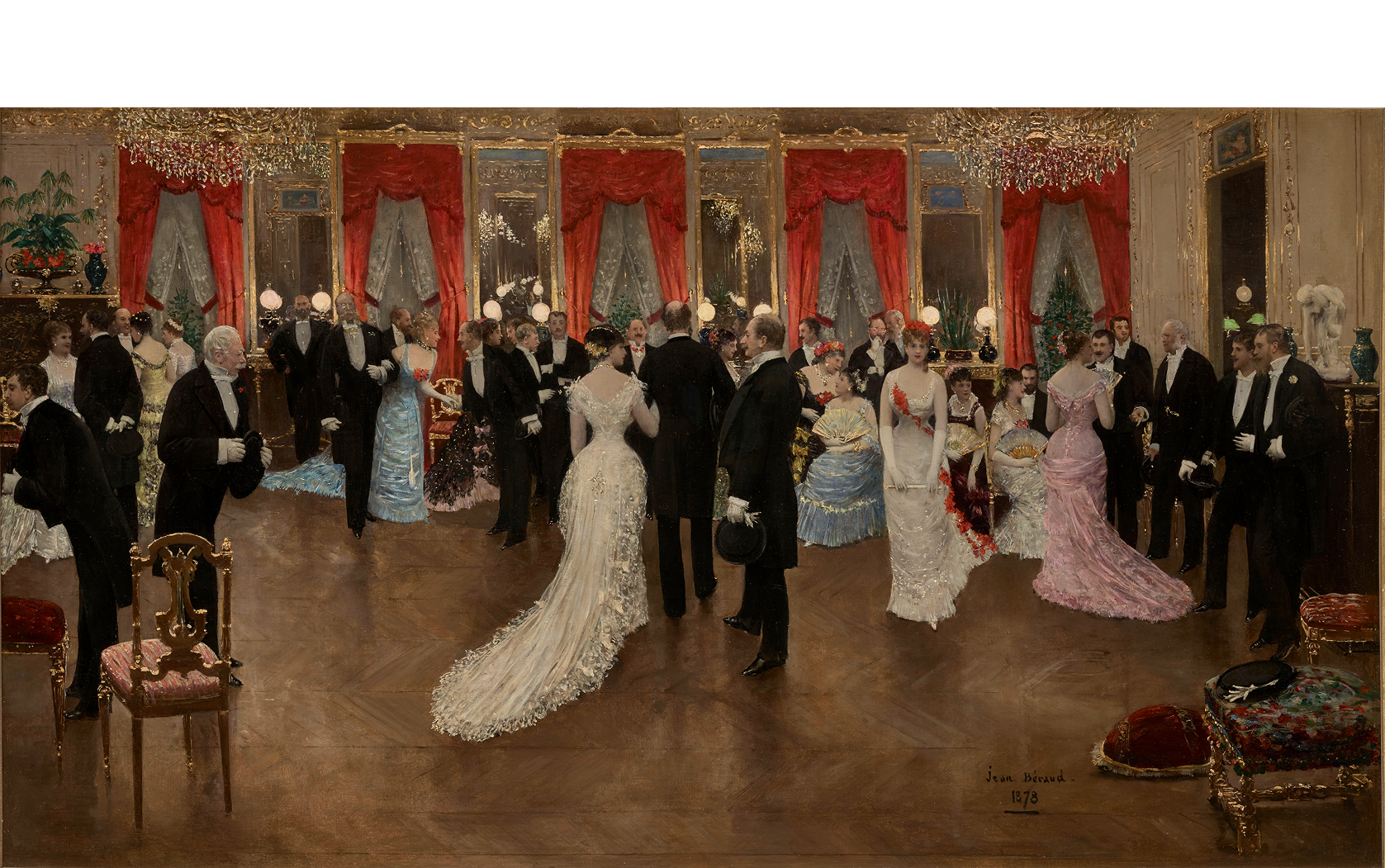
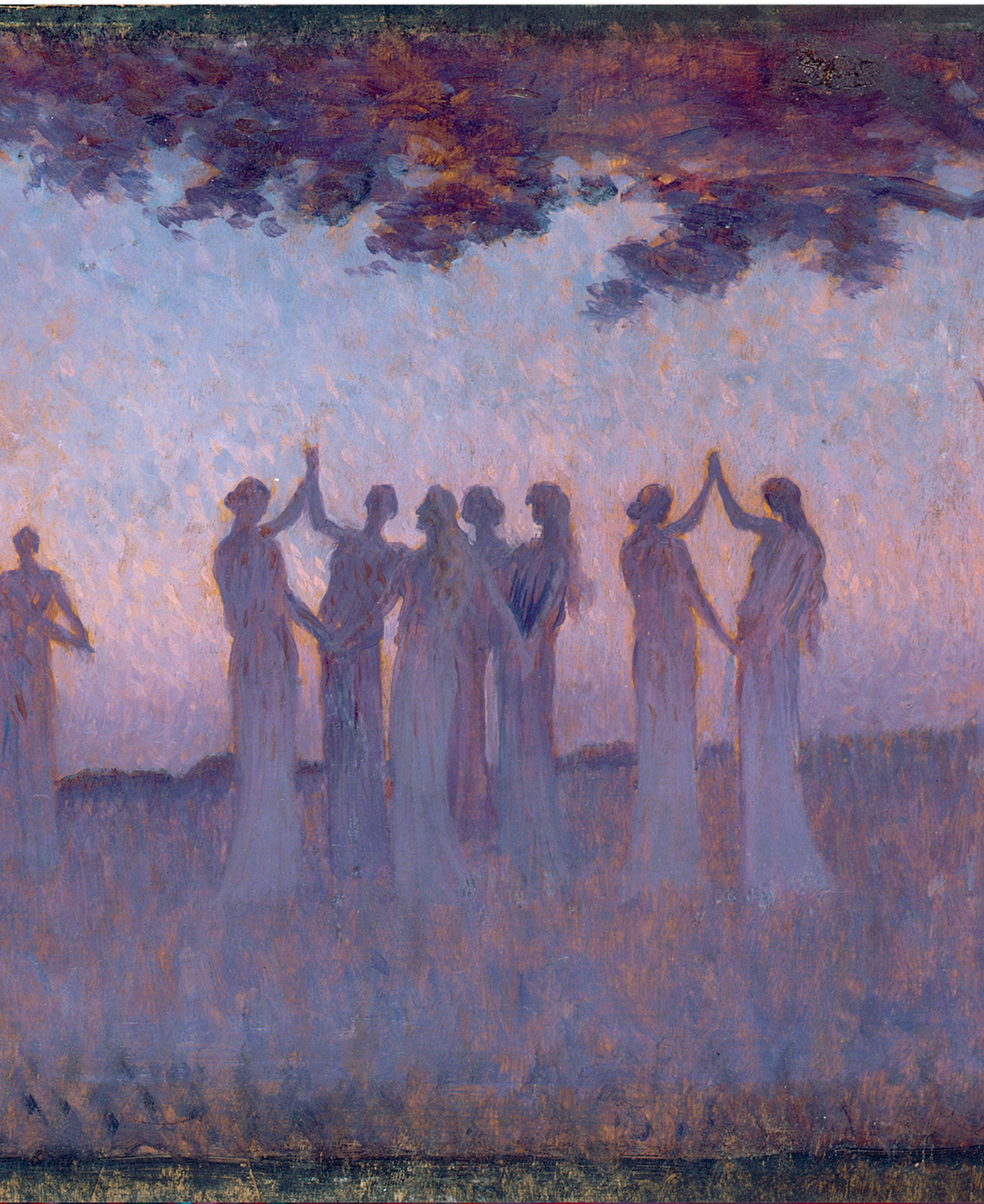
For its inaugural tour, the MuM’Orsay is celebrating the Musée d’Orsay’s 40th anniversary with *Le Grand Bal*, an exhibition dedicated to 19th-century parties, dances, and balls.
In the countryside, festive traditions continue to be passed down with the changing seasons. In cities, transformed by changes in work, transportation, and lifestyles, new forms of leisure and social interaction are emerging. Balls and carnivals, village festivals, religious celebrations, evenings at the opera, and official receptions set the pace of social life.
Beyond these festivities, the exhibition explores what celebrations reveal about an era in the midst of profound change. It highlights social distinctions—from the opulence of salons to popular open-air dance halls—as well as the political, urban, and technological developments transforming society. Electric lighting, the early days of photography, and the rise of cinema were revolutionizing the ways in which movement, crowds, and the energy of dance were depicted. Paintings, sculptures, drawings, photographs, and films thus come together to create an immersive journey centered on a universal impulse: that of coming together, dancing, and celebrating.
Featuring works by Jacques Becker, Jean Béraud, Giovanni Boldini, François-Rupert Carabin, Jean-Baptiste Carpeaux, Alexandre Charpentier, Eugène Carrière, Camille Corot, Charles Cottet, Henri Dabadie, Edgar Degas, Georges Garen, Paul Géniaux, Henri Gervex, Henry Lemoine, the Lumière brothers, Georges Méliès, Adolphe Meyer, Alphonse Osbert, Charles Pillet, and Jean Renoir.
An exhibition conceived by Édouard Papet, Chief Curator of Sculpture, and Estelle Bégué, Curator of Off-Site Projects. Stay tuned for the MuM’Orsay’s upcoming tour of the Auvergne-Rhône-Alpes region!
Photos
Itinerary
.webp)
Will a truck be passing through my area soon?

The resources

Presentation of the museum-truck
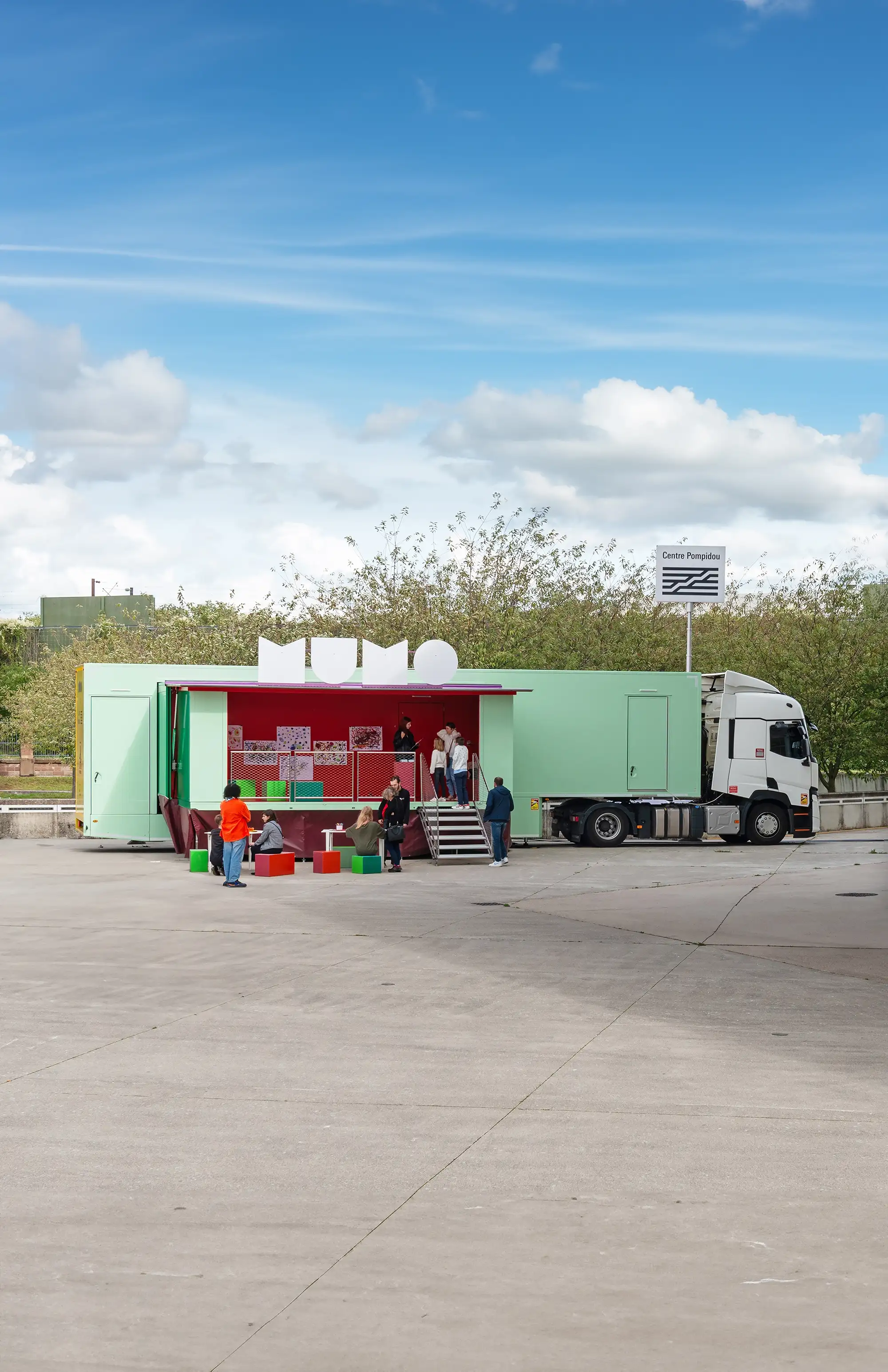
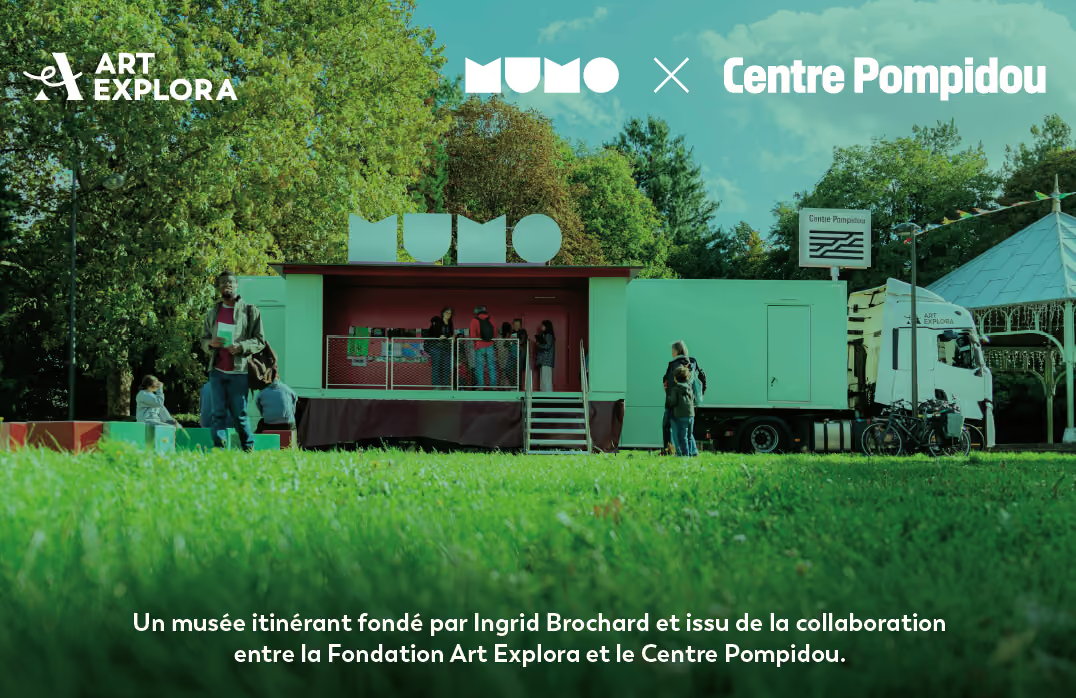
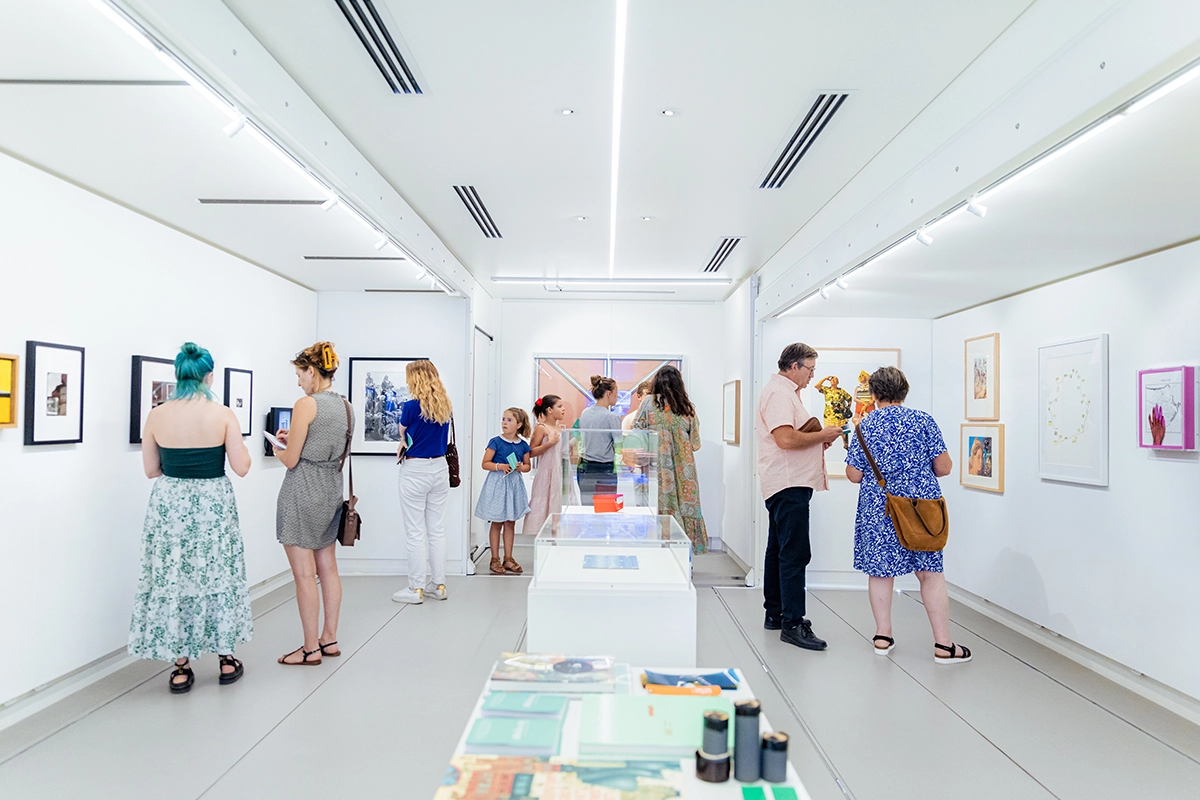
This collaboration leaves plenty of room for the works on display. The truck was imagined as a multifunctional tool, simple and adaptable to different uses around three spaces: the loggia, the exhibition room and the alcove. The loggia opens out like a theater stage to welcome the public. The exhibition room is the heart of the installation, a streamlined space in which technical elements are hidden to avoid visual disturbance of the works. The alcove is the raised space extending from the exhibition room. It can be a projection room with seating, a place for sculptures or a work of art in itself, imagined by Krijn de Koning.


Designer interviews
How did you go about designing the museum truck for the Centre Pompidou?
Isabel Hérault: We approached this project from two angles. The first concerned its technical aspects: we considered all the possibilities offered by the truck, which led us to study the operation of different types of existing truck (fire department, Tour de France, etc.).
The second focus was on the functionalities of a museum truck: how to turn it into a "real" museum, despite its small surface area, while taking into account the specific features of the Centre Pompidou's offering from the outset, notably its multi-disciplinarity? We wanted the truck's hanging space to be as close as possible to the characteristics of a museum space, so as to present the works in optimum conditions: the exhibition room is white and uncluttered, the technical elements are hidden, and the works are hung on the walls without any visible fixtures. The technical elements disappear in favor of the works.
Recognizing that the Centre Pompidou is much more than just an exhibition space, we also wanted to create a small-scale setting for performances, concerts, film screenings and children's workshops.
I'd like to talk about the loggia, which is one of the highlights of the project...
I.H.: The loggia is primarily designed as a reception area, a buffer space that protects the museum from the outside world. (...) It is reminiscent of a revisited trade fair stand, both attractive and cheerful, with the sign above and the red color creating a focal point. It has very pragmatic functionalities, with checkrooms on either side so you can leave your coat on. For us, the mere fact of taking off your coat before entering the exhibition room brings us closer to museum conditions (at least in terms of how it feels). In winter, this space is closed by a translucent curtain that lets in light and insulates it from cold and damp. The loggia serves as a mediation space, where children's workshops can be organized and their work hung. Films can also be projected from the loggia. It's an adjoining space that can be used for all purposes not related to the exhibition.
You're working on this project with visual artist Krijn de Koning. How do you go about it?
I.H.: (...) This collaboration with Krijn de Koning was defined right from the start of the project: Hérault Arnod worked on the general design of the museum truck, while Krijn de Koning was in charge of the MuMo's color and furniture. This corresponds to the field of his work as a visual artist, whose work addresses the issues of color, volume and interaction with architecture. (...)
Krijn de Koning: As Isabel says, I concentrated on color, which is present both inside and outside the truck, and I also worked on blocks that can be used as seats or small tables. These blocks also have an aesthetic purpose when arranged against the alcove wall: they form a colorful composition and interact with the truck's environment.
Your various projects involve a multiplicity of architectural "situations" (historic buildings, domestic spaces, art galleries and museums, gardens, etc.), and color is often an integral part of this reflection. What role does it play in your projects, given that you've sometimes referred to it as a visual tool?
K.d.K.: The use of color is a way of drawing the eye and attention to the reality that surrounds us, and in this respect, color can be said to be a visual tool. I always find it fascinating that an architectural space can radically change its status and offer a totally different perception thanks to a thin layer of colored paint.







.webp)


.webp)


%20(1).webp)







.webp)